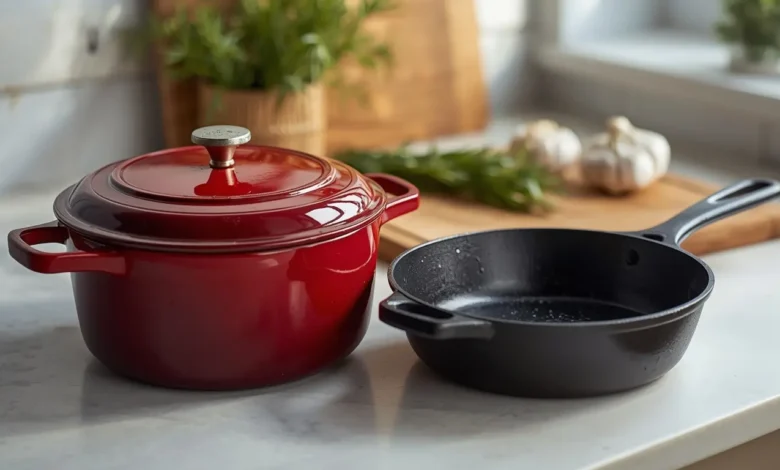
Dutch oven cast iron cleaning is the single most important skill you can master to prevent a beautiful heirloom pot from turning into a rusted, sticky nightmare standing in your sink. For a busy home cook, a heavy pot is the ultimate kitchen workhorse, but the internet is flooded with terrible advice and old myths that can permanently strip away its natural seasoning.
Standing over a dark kitchen basin struggling with dutch oven cast iron cleaning after a burnt dinner disaster is exhausting, especially when you are terrified that using the wrong soap or sponge will ruin an expensive piece of kitchen history. If your hands are tired and your kitchen towels are covered in mysterious black residue, you need to step away from the steel wool. There is a much easier way to rescue your favorite pan without breaking your back or wasting hours of your night.
The art of maintaining a heavy skillet or baking pot doesn’t have to feel like a stressful science experiment. Whether you are scrubbing away carbonized sourdough crusts or dealing with deep, flaky rust spots from an accidental overnight soak, the solution comes down to simple, real-world habits. This comprehensive advisor manual skips the traditional marketing fluff and gives you the exact, foolproof steps to deep clean your iron so it stays slick, shiny, and completely non-stick for a lifetime.
🧱 Table of Contents
- How Dutch Oven Size Impacts Your Cleaning Routine
- How Food Crowding Creates Unexpected Cleaning Nightmares
- The Enameled Stain Eraser Protocol
- The Golden Rule of Enamel Care: Avoiding the Dreaded Sink Chip
- The Cast Iron Seasoning Oil Hierarchy: A Master Class in Dutch Oven Cast Iron Cleaning
- The “Paper Towel Ghost” Protocol: Foolproof Dutch Oven Cast Iron Cleaning Steps
- Recommended Cookware Essentials for Long-Term Durability
- The Ultimate Cookware Troubleshooting Diagnosis Matrix
- The Master Cookware Care Framework (The Golden Lifecycle)
- Frequently Asked Cookware Care Questions
- Is Master Cast Iron and Enamel Care Truly Worth It?
⏱️ THE 30-SECOND DUTCH OVEN CLEANING CHEAT SHEET
- The Sizing Impact: A 5 to 6-quart vessel is the absolute “sweet spot” for standard family meals or artisanal baking, but its 12-pound weight means you must protect your basin during washing.
- The #1 Threat to Raw Iron: Trapped, stagnant moisture. Never let a wet pot air-dry on a rack or sit inside a damp basin, or you will trigger a losing battle against immediate rust spots.
- The Supreme Seasoning Choice: Pure, natural grapeseed oil. Thanks to its ultra-high smoke point, it easily bonds to the metal to form a glassy, rock-hard protective glaze that repels stuck food.
- The Golden Maintenance Rule: Less is everything. Always apply a “ghost layer” of oil, if the metal looks wet or glossy before it goes into a hot oven, your coating is too thick and will turn into a sticky, gummy mess.
How Dutch Oven Size Impacts Your Cleaning Routine
Successfully mastering dutch oven cast iron cleaning isn’t just about scrubbing away grease, it’s about managing the physical footprint and weight of your specific pot. If you treat a massive, fifteen-pound heirloom vessel like a cheap, lightweight frying pan, you risk chipping your kitchen sink or cracking your precious iron. Tailoring your regular cast iron pot maintenance to your model’s exact capacity prevents accidental damage and makes cleaning burnt-on food a breeze.
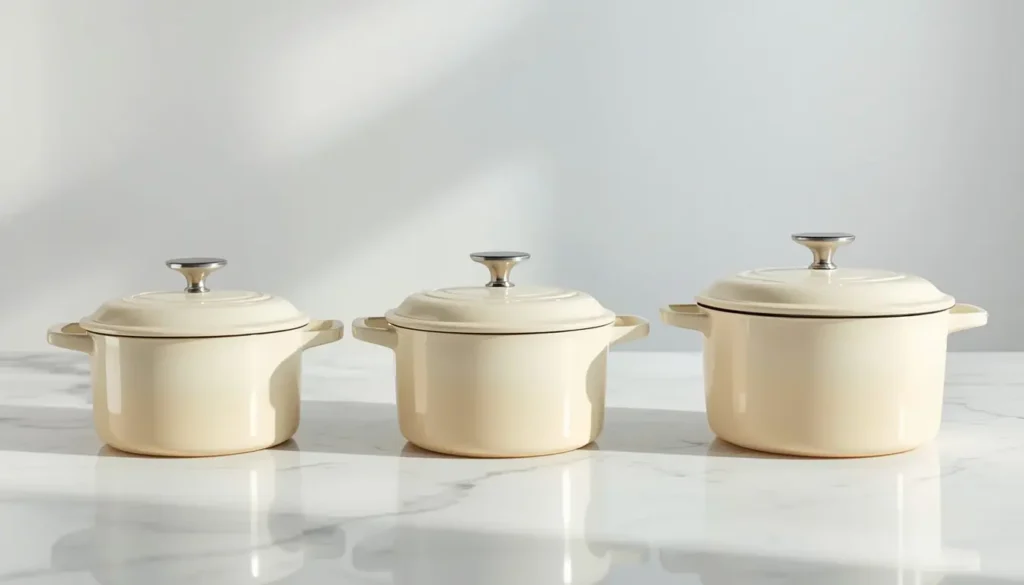
Compact Pots (2 to 4 Quarts)
These smaller sizes are nimble, lightweight, and incredibly easy to maneuver in a standard kitchen sink. However, because ingredients crowd together easily in a tight base, you are much more likely to deal with stubborn, carbonized buildup riding high up on the enamel or raw sidewalls. Target methods like a simple homemade baking soda paste work best here, making small-scale dutch oven cast iron cleaning and care a total breeze while lifting the crust without scratching the surface.
The Kitchen Standard (5 to 7 Quarts)
This capacity is the universal sweet spot for family meals and sourdough baking, but lifting it when wet requires a steady, two-handed grip. When handling this specific weight, your best defense is to place a silicone mat or a folded towel directly into the bottom of your basin before you turn on the water. This simple trick completely prevents the heavy iron from scratching your stainless steel or porcelain while you scrub away stubborn food particles.
Heavy-Duty Giants (8+ Quarts)
Washing these massive beasts is a genuine workout. Because they rarely fit comfortably under a standard residential kitchen faucet, the ultimate hack for heavy duty cookware care is to bypass the sink entirely and tackle the grime directly on your stovetop. Boiling a few cups of water right inside the pot on medium heat will naturally loosen stuck debris, allowing you to use a damp microfiber cloth to wipe the surface clean instead of wrestling a giant piece of iron into a cramped basin.
| Pot Capacity | Physical Dimensions | Best Visual Food Visualizer | Ideal Family Size | The “Don’t Do It” Warning |
| 2 – 3 Quarts | 8″ Diameter | Accommodates a single loaf of sourdough or a small side dish of baked beans. | 1 – 2 People | Do not attempt to fit a whole chicken; it will press against the sides and steam rather than roast. |
| 5 – 6 Quarts | 10.5″ Diameter | Accommodates a whole 4.5-lb chicken with room for chopped root vegetables around the perimeter. | 4 – 6 People | The Perfect Zone. No warnings—this size handles 90% of all standard family recipes cleanly. |
| 7 – 9 Quarts | 12″ Diameter | Accommodates a massive 8-lb pork shoulder or a double batch of bone broth. | 6+ People / Large Parties | Do not buy this if you struggle with heavy lifting. It weighs roughly 25 lbs when filled with liquid. |
How “Food Crowding” Creates Cleaning Nightmares
The way your ingredients interact with the spatial layout of your dutch oven pot doesn’t just alter how dinner tastes, it directly dictates how hard you will have to scrub your cookware once the meal is over. Understanding the physical layout of your vessel can help you predict and prevent the exact type of stubborn carbon buildup you will have to fight during cleanup.
The Small Pot Trap (Moisture & Sticky Residue)
When too many ingredients are tightly crowded into a pot that is simply too small, escaping steam cannot evaporate fast enough. Instead of searing beautifully and developing a rich, caramelized crust, your meat ends up sitting in a shallow puddle of its own liquid and boils. This creates a starchy, sticky foam layer that rises up and bakes heavily onto the upper interior sidewalls of the vessel, requiring a deep-soaking strategy to fully loosen the baked-on residue.
The Oversized Pot Danger (Scorched Sauces & Burnt Fond)
Conversely, using a massive, heavy-duty nine-quart pot to whip up a small two-person dinner is a shortcut to a scrubbing disaster. Because your cooking liquids are forced to shallow out across a massive surface area, they evaporate at lightning speed. This rapid moisture loss instantly leads to scorched sauces and a deeply charred, burnt fond that completely fuses to the bottom of the iron like superglue.
The Enameled Dutch Oven Cast Iron Stain Eraser Protocol
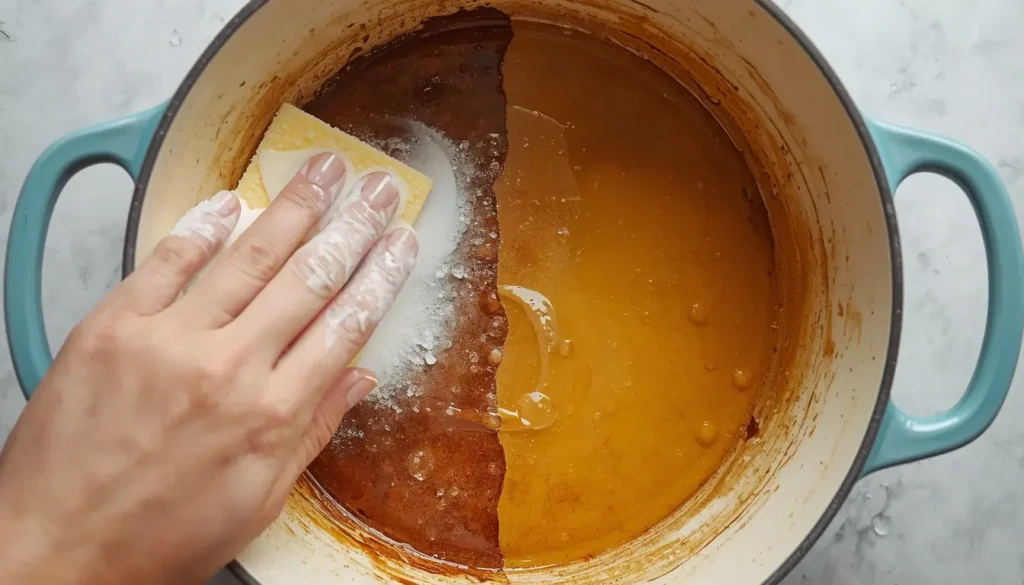
If the beautiful white or cream enamel interior of your pot has developed dark, ugly brown blemishes from searing meats or baking sourdough bread, standard dish soap won’t even touch it. Executing proper dutch oven cast iron cleaning on an enameled surface requires a specialized approach because you aren’t dealing with raw metal. Instead, you are cleaning a heavy iron core that has been fused with a delicate outer layer of liquid glass glaze, requiring gentle yet effective deep cleaning methods to lift discoloration safely.
🛑 EMERGENCY NOTICE: The Lethal Thermal Shock Trap
Because that smooth interior coating is technically glass, it reacts intensely to sudden, drastic shifts in temperature. Falling into this common trap is the fastest way to ruin a premium kitchen investment
- The Safe Cleaning Rule: Always allow your vessel to sit undisturbed on the stovetop for at least twenty minutes to cool down completely before introducing any water or cleaning solutions.
- The Critical Mistake: Taking a blistering hot pot directly off a fiery stove burner or pulling it out of a 450°F oven and plunging it straight into a sink filled with cool tap water.
- The Damaging Result: The dense iron core and the thin glass coating contract at completely different speeds when chilled. This physical stress forces the glass to shatter microscopically, leading to permanent interior chipping, spider-web cracks, or ruinous flaking.
The Dangerous Mistakes to Avoid for Enameled Dutch Oven Cast Iron Cleaning
When you are trying to lift stubborn discoloration, it can be tempting to reach for the strongest scrubbers in your kitchen. However, using the wrong tools will permanently ruin the smooth interior glaze. To protect your investment, make sure you avoid these two common cleaning blunders at all costs:
- Never Use Chemical Bleach: Pouring harsh household bleach into your pot might seem like a quick way to whiten the surface, but it is a massive mistake. The strong chemicals will eat away at the gloss, chemically dulling the beautiful finish over time and leaving it looking chalky and faded.
- Never Use Steel Wool or Metal Scouring Pads: Aggressive metal pads are far too rough for a glass-fused surface. Metal permanently scratches the slick glaze, carving out deep, microscopic grooves across the interior. These scratches act like little traps, causing your food to stick worse with every single use.
- Avoid Abrasive Powder Cleansers: Standard heavy-duty bathroom or sink powders are often too abrasive for delicate glass glaze. They act like sandpaper on the glossy coat, stripping away the smooth surface and making the interior highly vulnerable to future stains.
The Safe Chemical-Free Deep Clean Strategy:
- Create the Paste: Mix 3 tablespoons of regular baking soda with 1 tablespoon of warm water in a small bowl until it forms a thick paste, roughly the consistency of toothpaste.
- The Scrub: Apply the paste directly to the stained areas. Use a soft nylon sponge or a microfiber dishcloth to work the paste over the stains in a firm, circular motion. The baking soda acts as a microscopic, gentle abrasive that breaks down the burnt fats without scratching the underlying glass structure.
- The Simmer (For Severe Burn Marks): If the stains are deeply baked into the enamel from years of use, fill the pot halfway with water and add 2 tablespoons of baking soda. Bring it to a boil on your stovetop, then turn the heat down and let it simmer gently for 15 minutes. Use a wooden spoon to gently scrape the bottom while it simmers; the hot carbonized crust will lift right off the surface.
The Golden Rule of Enamel Care: Avoiding the Dreaded Sink Chip
While a premium enameled pot feels virtually indestructible, that glossy interior is technically a specialized layer of smooth glass fused directly to a heavy cast iron core. Because glass is inherently rigid, exercising proper caution during the cleaning process is absolutely vital to protect your enamel from chipping. A single rough impact against a crowded kitchen basin can instantly fracture the cooking surface, turning a luxury heirloom into a safety hazard.
To safeguard your investment, structure your post-dinner routine around these two simple rules:
- Create a Zero-Collision Zone: The absolute highest risk of chipping doesn’t happen on your stovetop—it happens when a heavy, soapy pot slips in the sink and collides violently with a stainless steel faucet or a ceramic bowl. Always clear the basin completely before washing your cookware.
- Ditch the Aggressive Metal Tools: Rigid steel wool and metal scrapers scratch the protective surface gloss, creating microscopic fractures over time. Sticking to soft nylon brushes or warm water bakes ensures a safe, non-destructive cleaning solution that preserves the non-stick glass barrier for a lifetime.
🛡️ The Ultimate Backup Plan: Leveraging Heritage Warranties
Even with meticulous care, accidents can happen in a slick, soapy basin. If the unthinkable occurs and your pot suffers a deep chip or fracture during your dutch oven cast iron cleaning routine, do not panic—your investment might still be completely protected.
Premium cookware giants like Le Creuset and Lodge build a form of structural insurance directly into their brands by offering robust limited lifetime warranties. If your pot cracks or chips under normal household use and cleaning guidelines, you can initiate an official claim directly through the manufacturer’s portal. By providing clear photographic evidence of the damage, owners are frequently eligible to receive a brand-new replacement vessel at absolutely zero cost. It is the ultimate consumer safety net for your kitchen empire.
The Cast Iron Seasoning Oil Hierarchy: A Master Class in Dutch Oven Cast Iron Cleaning
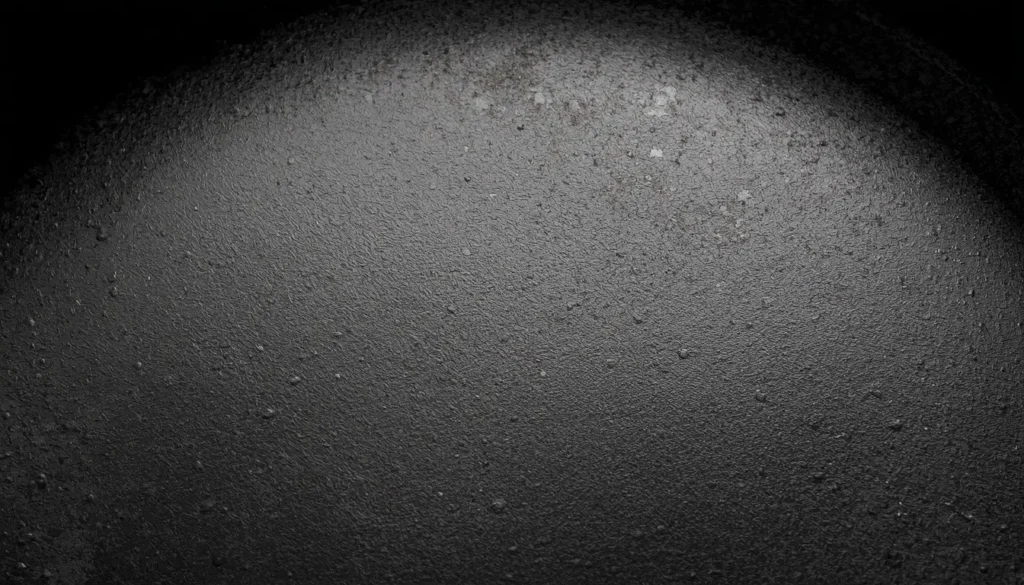
When it comes to maintaining a raw, traditional black pot, you have to look at the process a little differently. Seasoning a raw metal pan isn’t actually about cooking; it is a structural, heat-activated chemical transformation called polymerization. This natural bonding process forms the absolute backbone of successful dutch oven cast iron cleaning and long-term care, turning liquid fat into a slick, durable shield.
The Science Behind the Non-Stick Shield
To get the most out of your iron, you need to understand exactly what happens when heat and oil meet. It sounds complicated, but it breaks down into a few simple steps that every home cook can easily master:
- Fusing Fat to Metal: When you apply a ultra-thin layer of choice fat to the iron and bake it at a high temperature, the liquid undergoes a massive change. The fatty acids cross-link and bond together, transforming from a simple grease into a rock-hard, plastic-like natural coating.
- Building a Rust Defense: This newly formed polymerized layer fills in all the microscopic pores, pits, and rough textures naturally found in raw iron. It creates an airtight barrier that keeps moisture from reaching the bare metal, giving you a lifetime of built-in rust defense.
- The Layered Slickness Effect: A truly non-stick surface isn’t created in a single afternoon. Every single time you cook a meal with healthy fats or apply a light maintenance coat after washing, you are adding another microscopic layer to the shield, making the surface slicker over time.
[STAGE 1: THE RAW CANVAS] ──> Gray, rough, dull texture. Highly vulnerable to immediate rust.
          │
[STAGE 2: THE FIRST LAYER] ──> Bronze/amber tint. Base polymer chains are successfully anchored.
          │
[STAGE 3: THE SEMI-GLOSS] ──> Dark brown patina. Food begins sliding easily with minimal butter.
          │
[STAGE 4: THE MIDNIGHT PATINA] ──> Glass-hard, deep obsidian black finish. Water sheets off instantly.
Here is how common household oils rank for building that foundation coat:
| Oil Type | Polyunsaturated Fat Content | Smoke Point | The Verdict & Strategy |
| Grapeseed Oil | High (~70%) | 420°F | The Gold Standard. It contains the perfect molecular structure to link tightly together. It creates an incredibly tough, smooth non-stick layer. It’s affordable, completely odorless, and highly stable. |
| Crisco / Shortening | Moderate | 490°F | The Reliable Classic. It is very easy to apply thinly because it remains solid at room temperature. It doesn’t pool easily in the bottom of the pan and builds a dark, dependable patina. |
| Canola / Vegetable Oil | Moderate (~30%) | 400°F | The Budget Champion. Highly accessible, polymerizes cleanly, and gives a reliable, inexpensive foundation coat. |
| Flaxseed Oil (100% Pure) | Extremely High | 225°F | The Fragile Perfectionist. In theory, it creates a glass-hard finish. In reality, it is very expensive, and if you apply it even a fraction too thick, it turns brittle and flakes off like old, peeling paint. |
| Extra Virgin Olive Oil | Very Low | 325°F | The Complete Failure. The low smoke point causes it to burn away into bitter, smoky ash before it can actually bond to the iron. It leaves your pan sticky and ruined. |
The “Paper Towel Ghost” Protocol: Foolproof Dutch Oven Cast Iron Cleaning Steps
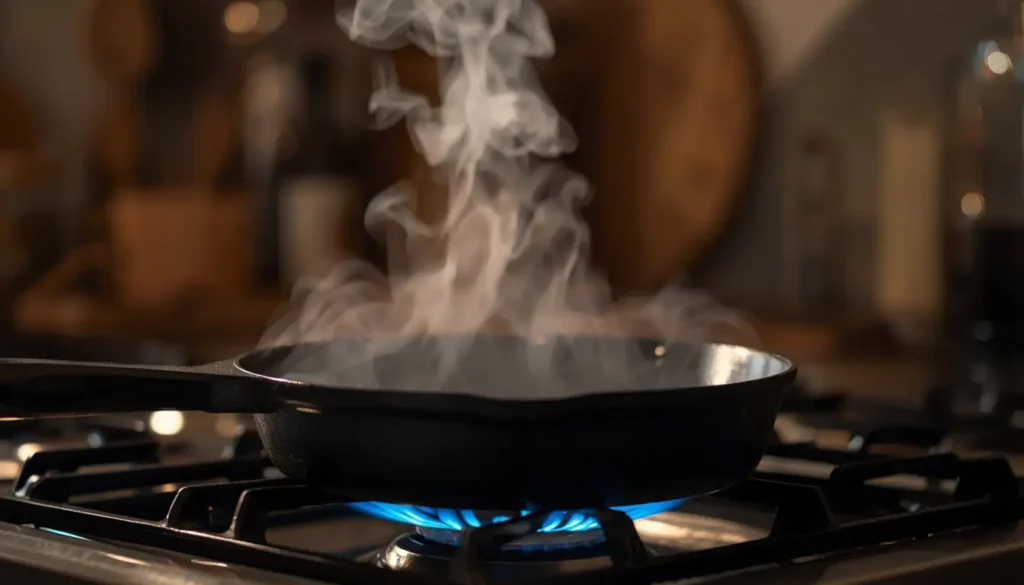
The absolute biggest mistake home cooks make when trying to protect their iron is using far too much oil. When you apply a heavy hand, the excess fat cannot bond correctly, leaving your skillet with sticky, gummy, brown puddles that completely ruin the pan’s surface. Once that sticky layer dries, your only option is to strip the pan down with harsh scrubbers and start completely over. To avoid that frustration, use this precise step-by-step method to guarantee a smooth, glassy finish every single time.
Step 1: The Wipe-On Method
Start by pouring a single tiny teaspoon of high-quality grapeseed oil directly into a clean, slightly warm skillet. Using a clean cloth or rag, rub the liquid thoroughly over every square inch of the vessel. Don’t just focus on the interior cooking surface, make sure you coat the outside walls, the bottom base, and the entire handle.
Step 2: The Aggressive Ghost-Wipe
Take a completely fresh, bone-dry paper towel and aggressively try to wipe every single drop of that oil back off the pan. Scrub the metal until the surface looks entirely matte and dry, almost as if you made a mistake and accidentally removed all your hard work.
- The Invisible Logic: Don’t worry, you can’t actually wipe it all away. On a microscopic level, an incredibly thin, invisible film of oil remains trapped deep inside the raw metal’s pores. That invisible “ghost layer” is all you need to finalize your dutch oven cast iron cleaning and maintenance routine.
- Why a “Ghost Layer” Wins: That microscopic layer is all you need for successful cast iron pot maintenance. If the layer is any thicker, the oil molecules cannot cross-link tightly during heating, resulting in a weak, flaking coat.
Step 3: The High-Heat Bake
Preheat your kitchen oven to 450°F. Place your coated pan completely upside down on the middle rack.
- The Foil Trick: Always place a simple sheet of aluminum foil on the bottom rack directly beneath the skillet to catch any accidental stray drops of oil before they hit your heating elements.
- The Timing: Bake the iron at full heat for exactly one hour. Once the timer goes off, turn off the heat but leave the door shut, let the pot cool down completely inside the oven for a few hours before touching it.
- Building the Base: For a brand-new or newly restored pot, repeat this exact wipe, ghost-wipe, and bake cycle three times in a row to build a deep, resilient base layer of protection.
Recommended Cookware Essentials for Long-Term Durability
When you are looking to invest in high-quality iron that perfectly matches our strict sizing guides and daily care methods, you want to focus on industry-standard models. The top-tier vessels highlighted below are built specifically to handle deep cleaning and high-heat seasoning protocols without warping or wearing down. They contain no arbitrary cosmetic additions or flimsy materials, just raw engineering utility and heavy-duty performance.
The Ultimate Raw Iron Standard: Lodge Chief 6-Quart Deep Dutch Oven
If you want a traditional, rugged pot that embraces old-school kitchen heritage, a pre-seasoned raw iron model is your absolute best bet. This specific size fits beautifully into our recommended family sweet spot and acts as a massive shield against accidental damage.
- Built for High-Heat Baking: The thick, dense walls are engineered to handle the extreme temperatures required for artisanal sourdough baking without breaking a sweat.
- Worry-Free Maintenance: Because it features no delicate outer glaze, you never have to worry about the lethal thermal shock trap or surface chipping. If you accidentally cause a rust spot, you can simply apply our “Paper Towel Ghost” protocol to reset the surface to a brand-new state.
- Dual-Loop Handle Utility: The heavy-duty iron side handles provide a secure, two-handed grip, making it incredibly safe to lift and maneuver when you are washing it inside a busy kitchen basin.
The Premium Enameled Benchmark: Le Creuset Signature 5.5-Quart Round
- Premium Glass-Fused Glaze: For home cooks who want the absolute gold standard in smooth, non-stick performance without the need for manual oil seasoning, a premium glass-fused enameled vessel is the ultimate luxury investment.
- Engineered Heat Retention: The balanced iron core distributes heat perfectly flat across the base, preventing the creation of localized hot spots while making your post-dinner dutch oven cast iron cleaning routine incredibly fast and simple after long, slow braises.
- Vibrant Protective Glaze: The ultra-smooth interior enamel is uniquely engineered to resist dark, stubborn carbon buildup and acidic food stains far better than budget look-alikes.
- Effortless Debris Release: When cooked properly, scorched sauces and stuck-on food particles melt away with nothing more than warm water and a soft sponge, completely eliminating the need for harsh metal scouring pads.
Lodge 6-Quart Enameled Dutch Oven (The Universal Choice)

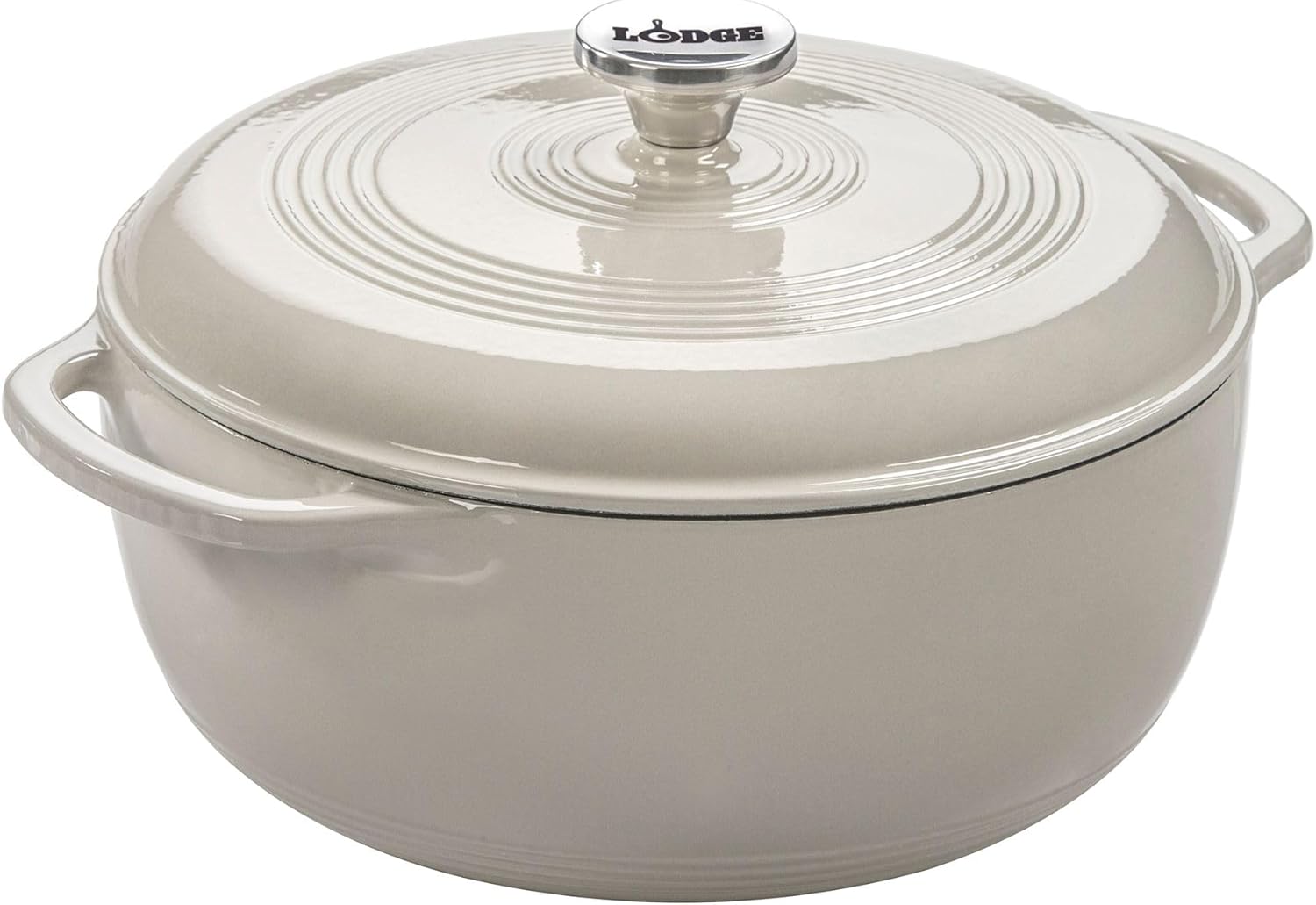


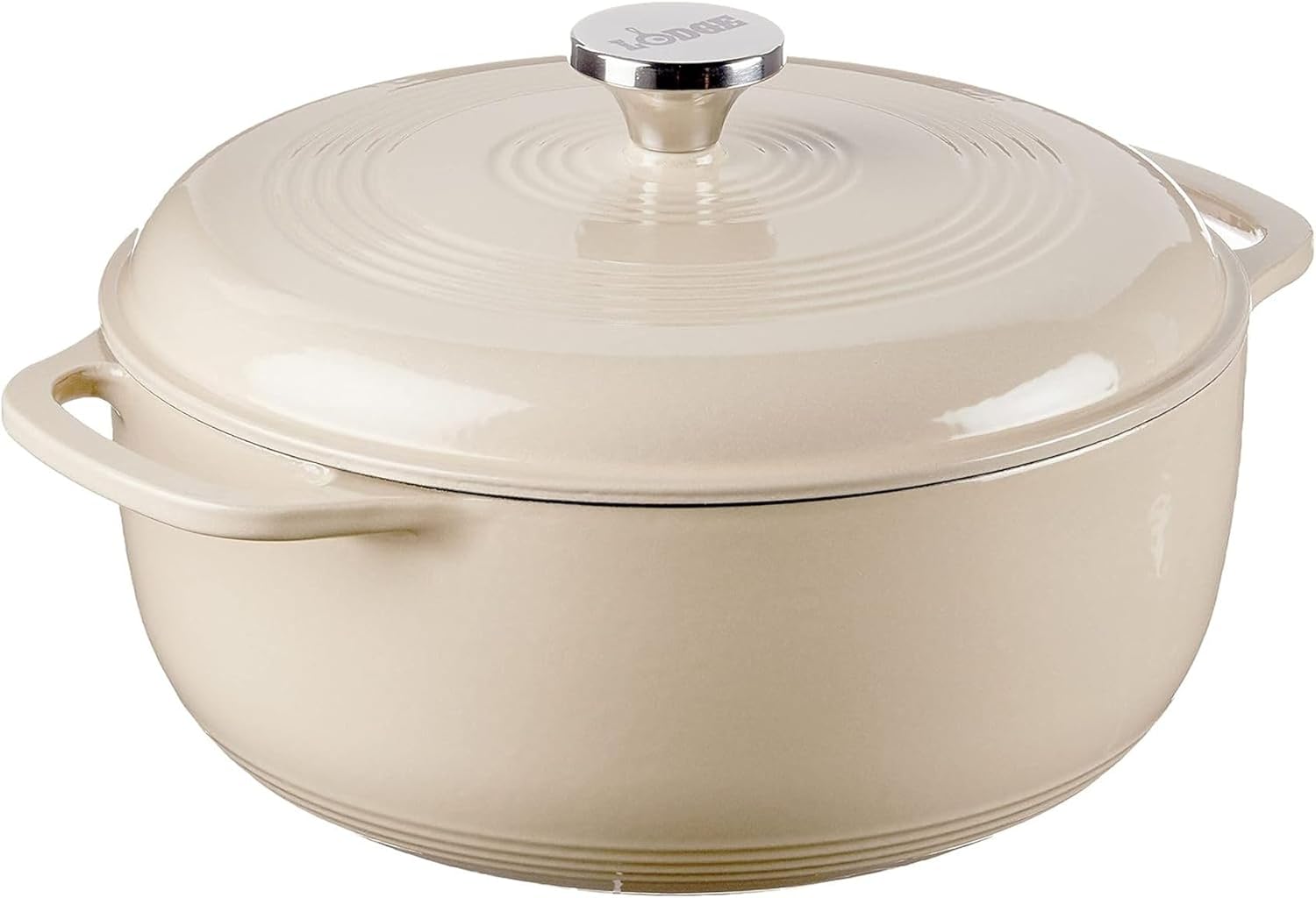
1. Lodge 6-Quart Enameled Dutch Oven (The Universal Choice)
- Best For: Everyday Family Budgets & Heavy Braising
- Weight: 16 lbs (Heavy Duty)
- Oven Limit: 500°F Max
- The Cleaning Edge: This model is constructed with exceptionally thick iron walls that retain heat far longer than thinner, cheaper pots. This dense architecture makes it the supreme choice for maintaining stable, steady temperatures when baking artisanal sourdough breads. Furthermore, its heavy, thick dual-layer porcelain coating is exceptionally resilient to daily cleaning, allowing you to wipe away food residue without dulling the protective gloss glaze.
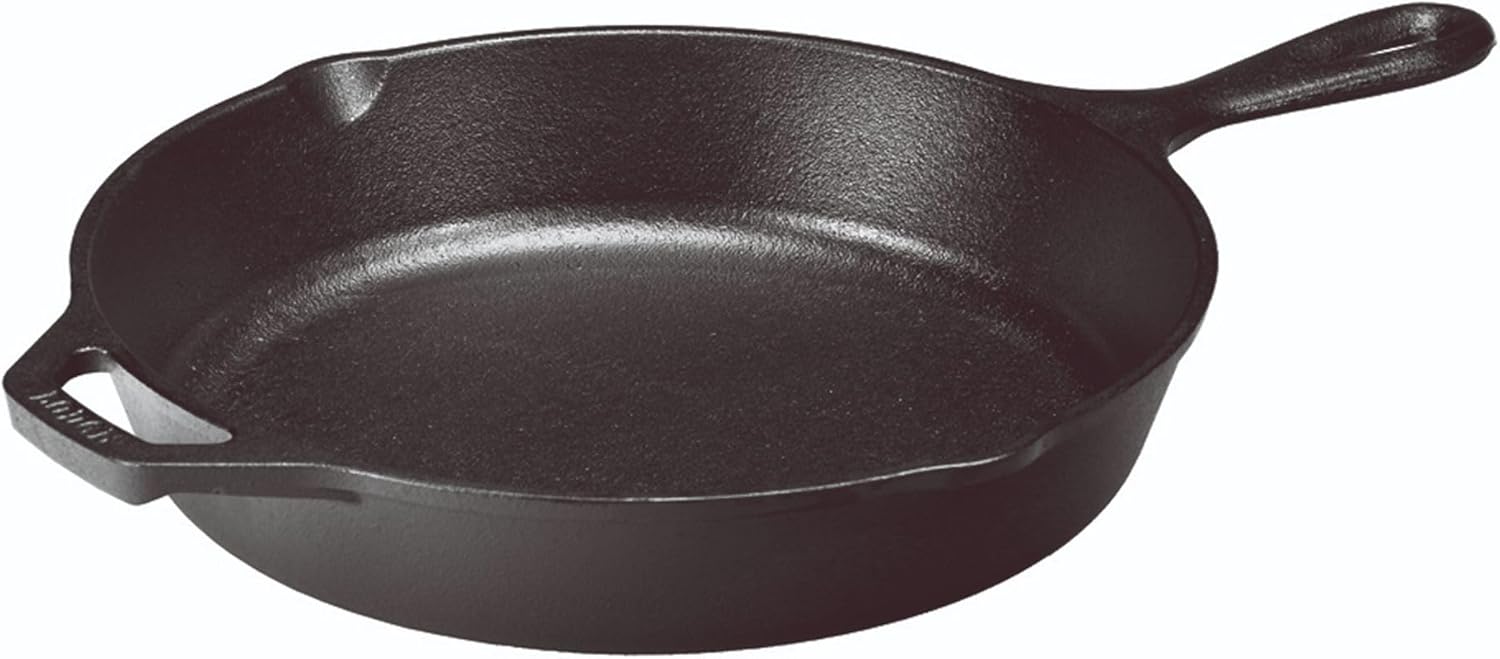
Lodge 10.25-Inch Cast Iron Skillet (The Everyday Workhorse)
Lodge 10.25-Inch Cast Iron Skillet (The Everyday Workhorse)
- Best For: Everyday Searing & Lifetime Foundations
- Weight: 5.3 lbs (Standard Balance)
- Oven Limit: No Maximum Temperature Limit
- The Cleaning Edge: This is raw, un-enameled textured iron built for old-school cooking. It features a fine, sand-cast surface texture that gives our grapeseed oil seasoning protocol maximum physical surface area to anchor onto. This textured grip makes it incredibly simple to build a bulletproof, natural black patina from scratch, ensuring that cleaning burnt-on food requires nothing more than a quick rinse and a stiff brush.

Le Creuset Signature 5.5-Quart Dutch Oven (The Premium French Classic)


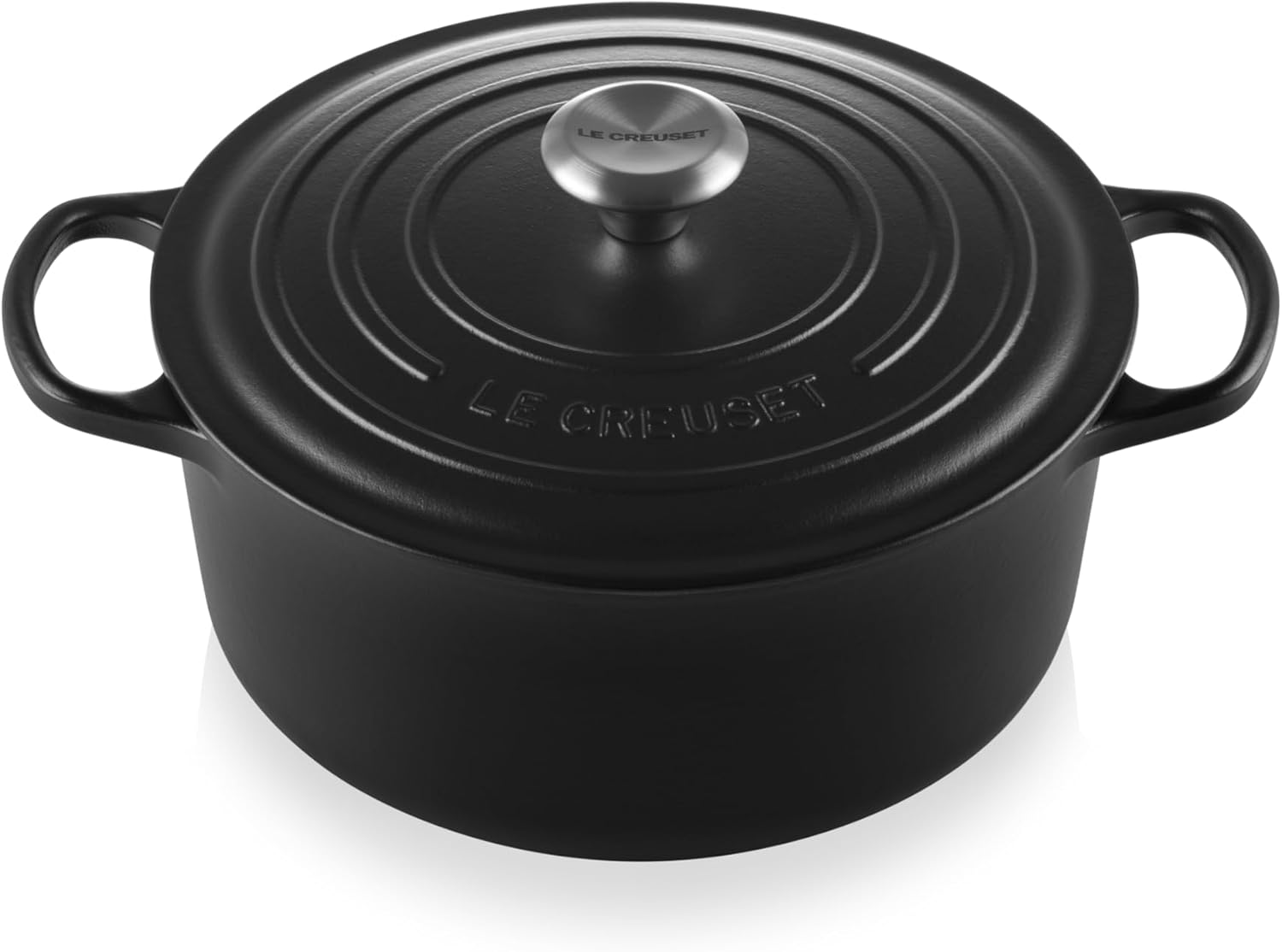

Le Creuset Signature 5.5-Quart Dutch Oven (The Premium French Classic)
- Best For: Lifetime Durability & Visual Cooking Accuracy
- Weight: 11.4 lbs (Ergonomic / Easy to Lift)
- Oven Limit: 500°F Max
- The Cleaning Edge: This classic French vessel is expertly engineered with an ultra-smooth, light sand-colored interior enamel glaze. This bright, reflective surface makes it incredibly easy for a home cook to visually monitor the exact color of browning butter, fond development, or simmering sauces, which completely prevents accidental burning before a mess can form. It achieves this while being significantly lighter than lower-cost models, reducing arm strain when you are rinsing it in the sink, while still maintaining elite heat retention.
Cookware Troubleshooting Diagnosis Matrix
When things go wrong with your cast iron or enamel setup, use this quick diagnostic guide to identify the core mechanical failure and deploy an immediate fix.
| The Messy Symptom | The Root Cause | The Mechanical Breakdown | The Immediate Home Fix |
| Gummy or Sticky Cooking Surface | The conditioning fat or oil layer was smeared on far too heavily. | Excess surface oil pooled and baked without fully executing chemical polymerization, leaving behind raw, gummy, un-linked fatty acid residues. | Scrub the metal with boiling water and coarse kosher salt to completely strip away the sticky gunk, dry thoroughly, and apply a fresh “ghost layer” using the dry towel method. |
| Seasoning Flaking Off in Tiny Black Specks | Brittle base fats or old food carbon trapped beneath the surface layer. | The chosen conditioning fat (frequently flaxseed oil) formed an overly rigid crystal structure, or microscopic debris blocked the oil from bonding right to the iron core. | Take a stiff nylon utility brush, scrub loose debris away completely, smear a microscopic film of canola or grapeseed oil over the bald spot, and bake at 450°F for precisely one hour. |
| The Pan Bottom Turning Dull, Grey, and Rough | Intense acidic stripping caused by cooking harsh ingredients. | Simmering highly acidic ingredients like tomato stews, citrus juices, or vinegar for hours slowly dissolves your top protective layers of iron seasoning. | Stop cooking long-simmered acidic stews in raw metals (always use heavy enameled iron instead). To restore the base, wipe on a quick stovetop maintenance layer after washing. |
| Tiny Dark Spots Popping Up on Glossy Enamel | Interior pinholing or stainless steel utensil metal transfer. | Dragging metal spoons or wire whisks across the glass glaze leaves dark scuff tracks, or sudden thermal shock has forced tiny micro-chips out of the surface. | If it is simple metal transfer, gently scrub with a natural baking soda paste to erase the lines. If it is a true glass chip exposing dark raw iron underneath, immediately retire the pot from cooking so glass shards do not flake into your meals. |
The Master Cookware Care Framework (The Golden Lifecycle)
To keep your traditional iron and enamel performing flawlessly without having to consult a stressful manual every single week, you just need to memorize this simple, three-phase loop. Think of this cycle as the continuous, healthy heartbeat of your kitchen, the absolute best dutch oven cast iron cleaning methods for daily maintenance.
Phase 1: The Cleanse
The moment dinner is over, your cleanup routine should begin with a gentle, non-stripping approach.
- The Right Tools: Use hot water combined with a soft sponge or a gentle nylon utility brush to easily sweep away food remains.
- The Golden Warning: Never, under any circumstances, leave your raw metal soaking inside a wet basin overnight. Letting iron sit in standing water breaks down the defensive patina and creates immediate rust spots.
Phase 2: The Evaporation
Towel-drying your cookware is an illusion because cotton cloths leave microscopic droplets of water trapped deep inside the raw metal’s pores.
- The Stovetop Hack: Place your washed, wet pan directly onto a low stovetop burner for roughly sixty seconds.
- The Result: The direct heat causes any trapped moisture to evaporate into steam instantly. Getting the iron completely bone-dry is your absolute best defense for preventing stubborn carbon buildup and rust permanently.
Phase 3: The Ghost Shield
Once the pan is hot and dry, you want to apply a final, lightweight top-coat to protect the surface while it sits in your kitchen cabinet.
- The Application: Turn off the stove burner and apply a single tiny drop of grapeseed or canola oil to the warm metal.
- The Polish: Using a clean paper towel, buff and wipe the oil over the interior surface until it looks completely invisible. This microscopic “ghost shield” prevents ambient humidity in your home from attacking the iron, keeping your non-stick surface perfectly prepped for your next recipe.
┌────────────────────────────────────────────────────────┐
│                                                        │
│                  1. THE CLEANSE                        │
│         Hot water + gentle nylon brush                 │
│         (Never leave soaking in the sink!)             │
│                                                        │
└───────────────────────────┬────────────────────────────┘
                            │
                            ▼
┌────────────────────────────────────────────────────────┐
│                                                        │
│                  2. THE EVAPORATION                    │
│         60 seconds on a low stovetop burner            │
│         (Bone-dry prevents rust permanently)           │
│                                                        │
└───────────────────────────┬────────────────────────────┘
                            │
                            ▼
┌────────────────────────────────────────────────────────┐
│                                                        │
│                  3. THE GHOST SHIELD                   │
│         A single drop of Grapeseed oil                 │
│         Wiped until completely invisible               │
│                                                        │
└────────────────────────────────────────────────────────┘
Frequently Asked Culinary Queries (FAQ Matrix)
Can I actually use dish soap on my seasoned cast iron skillet?
Yes, absolutely. This is the single biggest myth in the culinary world. The idea that soap destroys cast iron comes from the old days when soap contained harsh lye and wood ash, which would eat through organic coatings. Modern liquid dish soaps are incredibly gentle detergents. Because your polymerized seasoning is chemically bonded to the metal as a bio-plastic shield, a splash of modern Dawn soap will not touch it. In fact, washing away food oils prevents them from turning rancid on your pan.
Why does my enameled Dutch oven look dull even when it’s completely clean?
Over time, cooking high-starch foods (like potatoes or rice) or searing proteins leaves a microscopic layer of baked-on protein and mineral film over the glass glaze. It isn’t stained or ruined; it’s just covered in a dull mask. A quick wipe with a splash of white vinegar or a gentle rub with our baking soda paste will instantly dissolve the mineral film and restore the high-gloss shine.
My pan is completely rusted because it was left in the rain or sink. Is it dead?
Never. Raw cast iron is practically indestructible. Unless the metal has literally cracked completely in half, rust is entirely surface-level. Think of rust like mud on a premium off-road vehicle; it looks terrible, but the truck underneath is completely fine. Scrub the rust off completely using steel wool and hot water until you see the raw, dull gray iron. Immediately wipe it bone dry, execute the Paper Towel Ghost Protocol, and bake it. It will return to life completely renewed.
What is the fastest dutch oven cast iron cleaning solution for stubborn burnt food?
The most efficient, non-abrasive method is a simple simmering trick. Fill the pot with an inch of water and two tablespoons of baking soda, then bring it to a gentle simmer on your stovetop for 10 minutes. The heat and alkaline action will loosen the carbonized bond, allowing you to easily scrape away the debris with a wooden spatula.
Can I use a metal chainmail scrubber during my regular dutch oven cast iron cleaning steps?
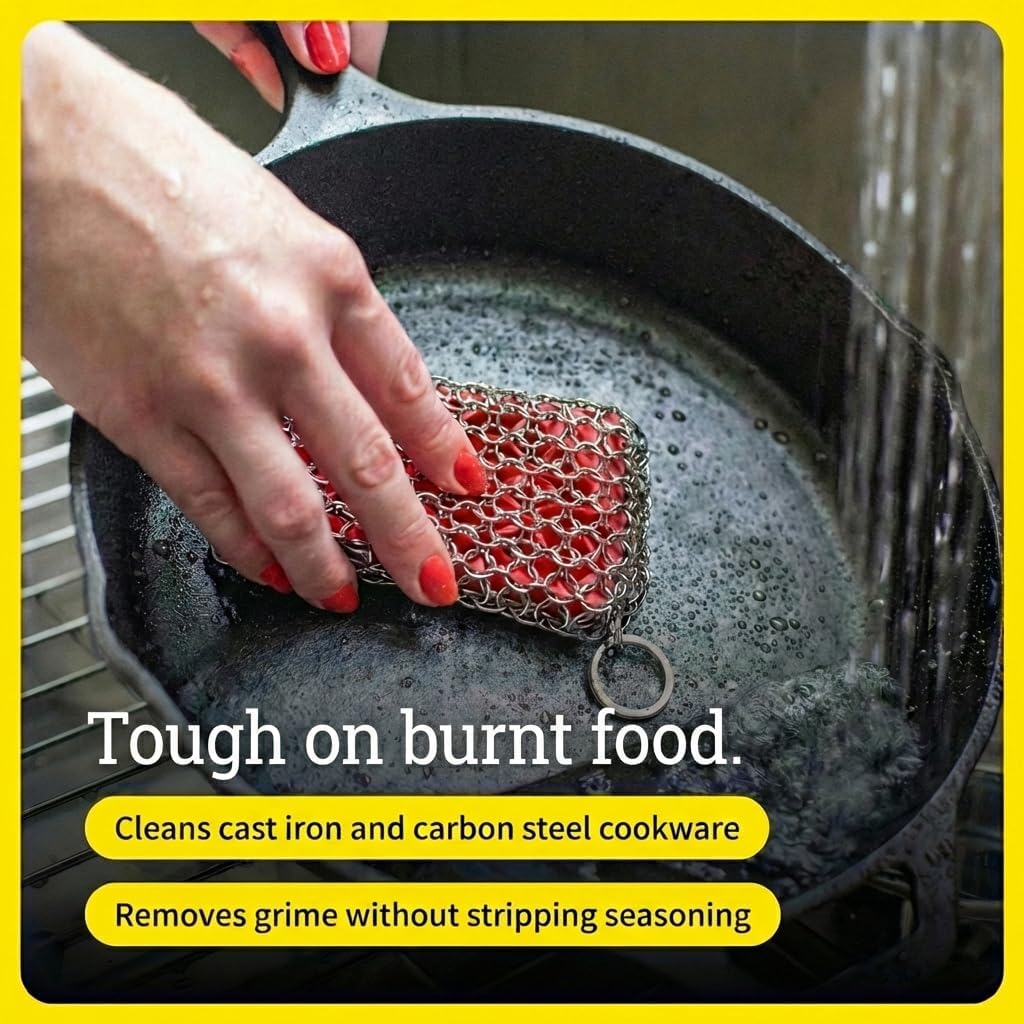
t depends entirely on the finish of your pot. A premium stainless steel chainmail scrubber is an incredibly effective tool for raw cast iron sidewalls because it shears away crusty food blocks without harming the iron’s seasoned patina. However, you must never use chainmail on enameled iron, as the metal rings will instantly scratch and ruin the smooth glass glaze.
How often should I execute full dutch oven cast iron cleaning and re-seasoning?
You should execute standard washing and drying every single time you cook. Full re-seasoning (applying oil and baking the pot in an oven) is not a daily chore—it only needs to be deployed if the pot’s surface begins to look dull, develops grey spots, or exhibits stubborn surface rust from accidental moisture exposure.
Is Master Cast Iron and Enamel Care Truly Worth It?
At the end of the day, successfully managing your daily dutch oven cast iron cleaning and high-end kitchen investments comes down to a simple shift in mindset. You need to realize that you are working with durable, fundamental material science engineered for hard work, not fragile museum pieces that need to be hidden away in a closet.
Raw iron completely thrives on simple layers of fat and consistent heat. Conversely, smooth enameled glass loves gentle, non-stripping care and steady, gradual temperature adjustments. If you match your favorite family recipes to the correct pot capacity, protect your delicate glaze from the lethal thermal shock trap, and use high-smoke-point choices like grapeseed oil to build a tight, protective patina, your heirloom cookware will easily outlive you.